
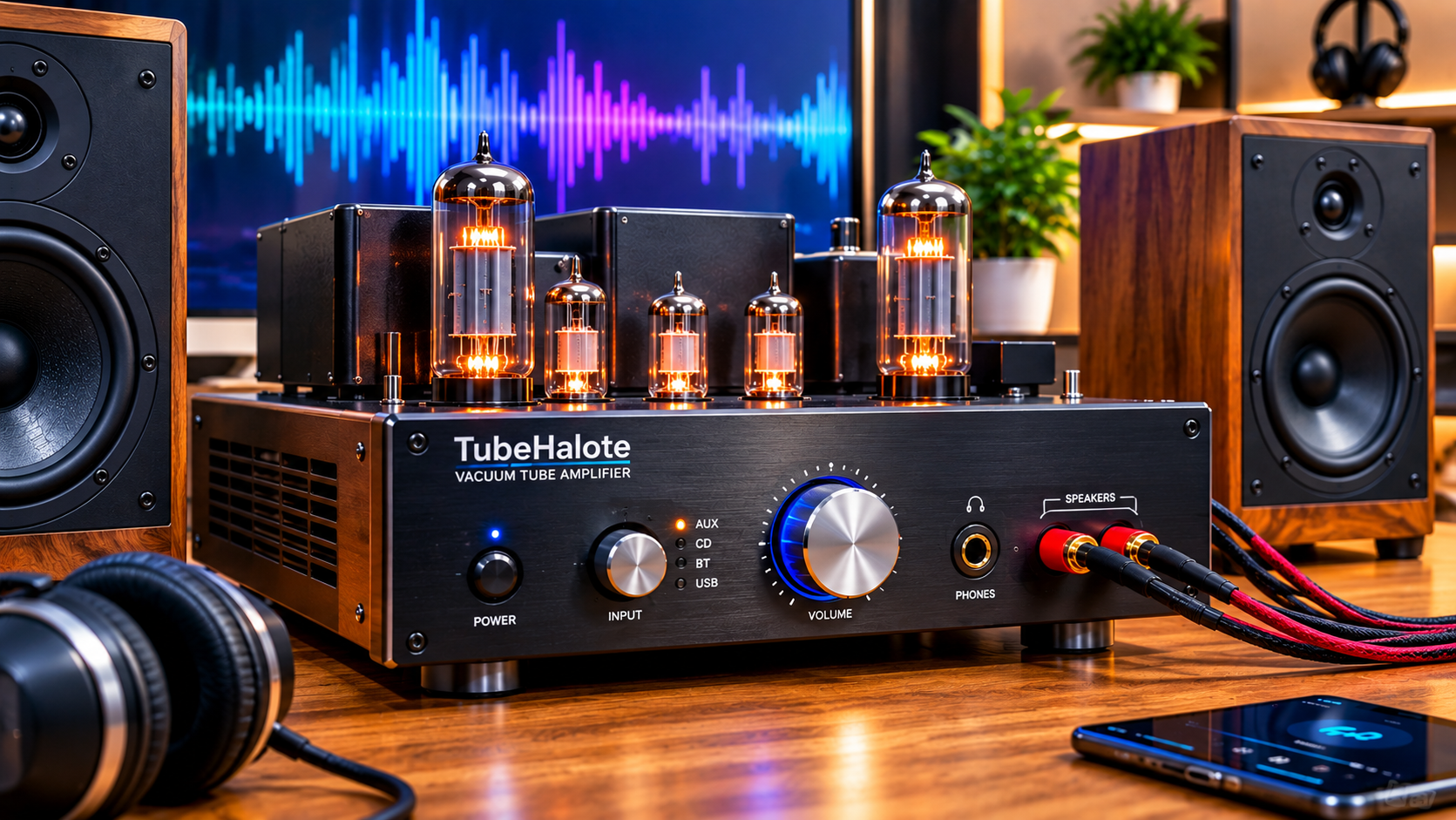
Sound matters. Whether you listen to music, watch movies, play games, or work with audio, good sound can change the whole experience. That is why many people search for amplifier amplifier tubehalote. While the term may sound unusual, it is often connected to amplifier systems that boost audio signals and improve sound performance.
In this complete 2026 guide, you will learn what amplifier amplifier tubehalote means, how it works, its benefits, common uses, and the best tips for choosing the right setup.
What Is Amplifier Amplifier Tubehalote?
The phrase amplifier amplifier tubehalote is commonly associated with audio amplification technology. An amplifier takes a weak audio signal and increases its power before sending it to speakers or headphones.
The job of an amplifier is simple. It makes sound signals stronger without changing the original audio too much. This process helps create clear and powerful sound.
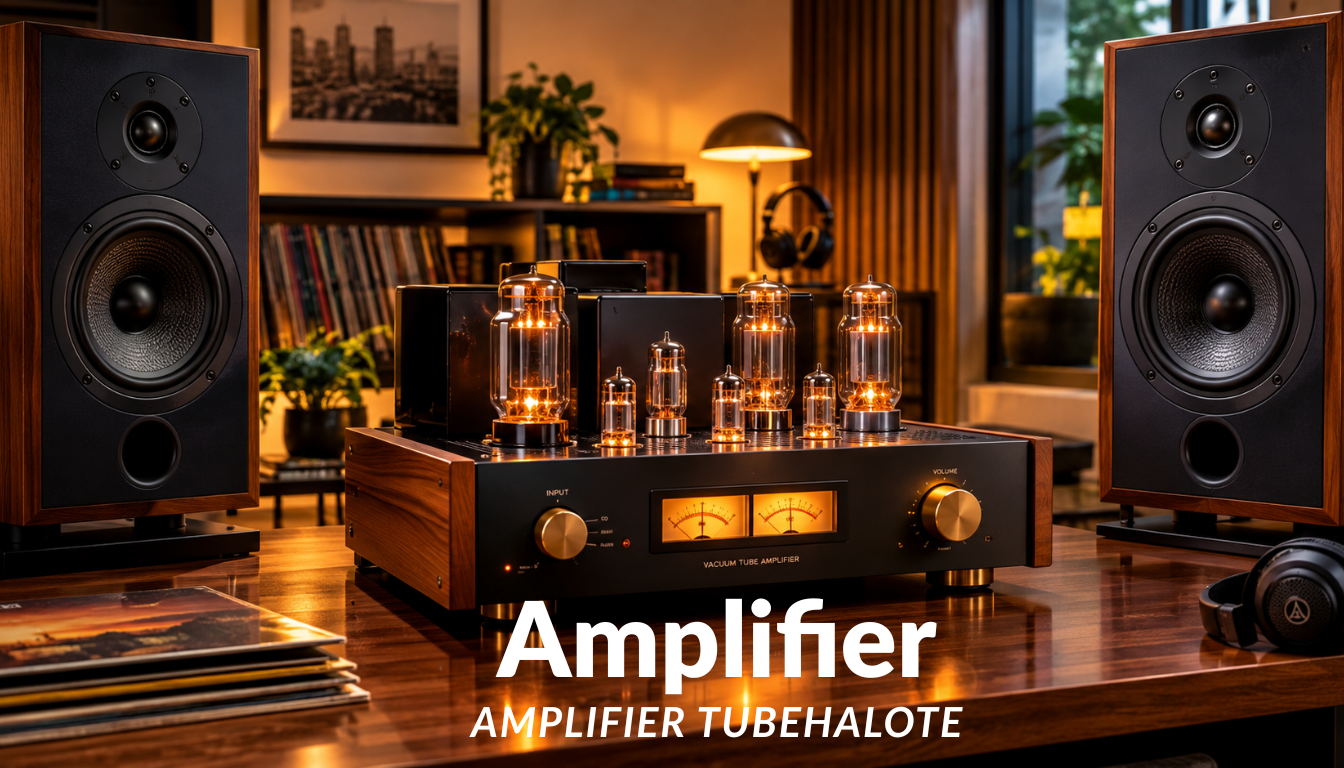
Many audio enthusiasts love amplifier systems because they can bring more detail to music. Small sounds become easier to hear. Voices become cleaner. Instruments feel more alive.
In modern audio setups, amplifiers play a key role. Without them, speakers may struggle to deliver strong and clear sound.
Why Amplifiers Matter
Imagine trying to fill a large room with sound using only a tiny audio signal. It would not work very well. The signal needs extra power before speakers can produce meaningful volume.
That is where an amplifier helps.
The amplifier acts like a bridge between the audio source and the speakers. It takes the signal from a phone, computer, music player, or receiver and boosts it.
The result is:
- Higher volume
- Better sound clarity
- Improved audio detail
- Stronger bass response
- Better overall listening experience
For many users, adding a quality amplifier is one of the best upgrades they can make.
How Does an Amplifier Work?
The working process is easier to understand than most people think.
Here is a simple explanation.
Step 1: Audio Signal Enters
An audio source sends a low-power signal. This source could be:
- Smartphone
- Laptop
- CD player
- Streaming device
- Audio interface
Step 2: Signal Processing
The amplifier receives the signal and prepares it for boosting.
Step 3: Power Increase
The amplifier uses electricity to increase the signal’s strength.
Step 4: Output to Speakers
The stronger signal reaches the speakers. The speakers can now produce louder and clearer sound.
This entire process happens almost instantly.
Types of Amplifiers
Not all amplifiers are the same. Different models serve different purposes.
Tube Amplifiers
Tube amplifiers use vacuum tubes to amplify audio signals.
Many listeners enjoy their warm and smooth sound. Music often feels richer and more natural.
Advantages include:
- Warm sound character
- Rich midrange tones
- Attractive vintage design
Disadvantages include:
- Higher heat output
- More maintenance
- Usually more expensive
Solid-State Amplifiers
These amplifiers use transistor technology.
They are common in modern audio systems because they are reliable and efficient.
Benefits include:
- Affordable pricing
- Long lifespan
- Lower maintenance
- Stable performance
Many home users choose solid-state amplifiers because they are easy to use.
Hybrid Amplifiers
Hybrid amplifiers combine tube and solid-state designs.
The goal is to provide the warmth of tubes and the reliability of transistor technology.
This option appeals to people who want a balance between classic and modern sound.
Benefits of Amplifier Amplifier Tubehalote Systems
Many people invest in amplifier systems because of the improvements they provide.
Enhanced Sound Quality
Good amplification helps reveal details hidden in recordings.
You may hear:
- Clearer vocals
- Better instrument separation
- More detailed sound effects
- Improved soundstage
These improvements make listening more enjoyable.
Increased Volume Without Strain
A quality amplifier can increase loudness without creating excessive distortion.
The sound stays cleaner even at higher volume levels.
Better Bass Performance
Bass needs power.
An amplifier supplies the energy speakers need to reproduce deep bass frequencies with accuracy.
The bass feels stronger and more controlled.
Improved Dynamic Range
Music contains quiet and loud sections.
Amplifiers help preserve this difference. As a result, audio sounds more natural and realistic.
More Immersive Experience
Whether you are watching action movies or listening to a live concert recording, proper amplification creates a deeper sense of immersion.
Common Applications
Amplifier amplifier tubehalote setups appear in many environments.
Home Entertainment Systems
Modern home theaters often include amplifiers to improve speaker performance.
Benefits include:
- Clear dialogue
- Strong surround effects
- Better movie soundtracks
Music Listening Rooms
Audio enthusiasts often build dedicated listening spaces.
In these rooms, amplifiers help achieve detailed and accurate sound reproduction.
Recording Studios
Professional studios depend on amplifiers for monitoring and playback.
Accurate amplification helps engineers make better recording decisions.
Live Performances
Concerts, conferences, and public events require powerful amplification systems.
Without amplifiers, large audiences would struggle to hear performers clearly.
Gaming Setups
Gamers often use high-quality amplifiers with premium headphones or speaker systems.
This setup improves:
- Footstep detection
- Environmental sounds
- Voice communication
- Overall immersion
Important Features to Consider
Before buying an amplifier, it is important to understand key features.
Power Output
Power output determines how much energy an amplifier can deliver to speakers.
More power is not always better.
The amplifier should match your speakers.
Frequency Response
A wide frequency response helps reproduce low bass and high treble accurately.
This contributes to balanced sound.
Signal-to-Noise Ratio
A higher signal-to-noise ratio means less background noise.
The result is cleaner audio.
Connectivity
Look for inputs and outputs that match your equipment.
Popular options include:
- RCA inputs
- USB connections
- Bluetooth support
- Optical inputs
- Speaker terminals
Build Quality
Strong construction often leads to better durability and longer service life.
Metal chassis designs are popular because they provide stability and cooling.
How to Choose the Right Amplifier
The market contains many models. Choosing the right one can feel confusing.
These simple tips can help.
Understand Your Needs
Ask yourself:
- Do you listen to music?
- Do you watch movies?
- Do you play games?
- Do you produce audio?
The answer helps narrow your choices.
Match Your Speakers
Speaker compatibility is extremely important.
A mismatch can reduce performance and may damage equipment in extreme cases.
Set a Budget
Amplifiers are available in many price ranges.
A higher price does not always guarantee better performance for your specific setup.
Read User Reviews
Reviews can reveal:
- Real-world performance
- Build quality issues
- Reliability concerns
- Customer satisfaction
Consider Future Expansion
Some users eventually add more speakers or equipment.
Choosing a flexible amplifier may save money later.
Common Mistakes Buyers Make
Many beginners make similar mistakes.
Buying Too Much Power
Large power ratings may look impressive, but they are not always necessary.
Choose power based on your speakers and room size.
Ignoring Speaker Compatibility
This mistake can create poor sound quality and performance problems.
Always check specifications.
Focusing Only on Price
The cheapest option may not provide the best value.
Balance features, quality, and cost.
Skipping Research
A few minutes of research can prevent expensive mistakes.
Compare products before making a purchase.
Maintenance Tips for Long-Term Performance
Proper maintenance keeps an amplifier working well.
Keep It Clean
Dust can affect cooling and overall performance.
Wipe surfaces regularly.
Allow Ventilation
Amplifiers generate heat.
Place the unit where air can move freely around it.
Inspect Cables
Loose or damaged cables can cause sound issues.
Replace worn cables when necessary.
Avoid Moisture
Water and electronics do not mix.
Always keep the amplifier dry.
Use Stable Power
Power fluctuations can harm sensitive components.
Consider using a surge protector.
Troubleshooting Common Problems
Even good amplifiers can experience issues.
Distorted Audio
Possible causes include:
- Volume set too high
- Damaged speakers
- Poor-quality audio source
- Faulty cables
Lower the volume and check connections.
No Sound
Start with these checks:
- Power connection
- Speaker wiring
- Source device
- Input selection
Simple mistakes often cause the problem.
Overheating
Heat buildup can affect performance.
Solutions include:
- Improving ventilation
- Cleaning dust
- Reducing workload
Humming or Buzzing
This issue often comes from:
- Ground loops
- Damaged cables
- Electrical interference
Testing different cables can help identify the source.
Future Trends in Amplifier Technology
The amplifier market continues to evolve.
Several trends are shaping the future.
Smart Connectivity
Many amplifiers now support:
- Bluetooth streaming
- Wi-Fi audio
- Mobile app control
These features improve convenience.
Better Energy Efficiency
Manufacturers continue to develop designs that use less electricity while maintaining strong performance.
Compact Designs
Modern amplifiers often offer impressive power in smaller sizes.
This makes installation easier in homes and offices.
Improved Digital Integration
Digital audio sources are becoming more common.
As a result, amplifiers now include better digital processing capabilities.
Is Amplifier Amplifier Tubehalote Worth Buying?
For most audio users, the answer is yes.
A quality amplifier offers several benefits:
- Clearer sound
- More volume
- Better bass
- Improved detail
- Enhanced listening enjoyment
Whether you enjoy music, movies, podcasts, gaming, or professional audio work, an amplifier can elevate the entire experience.
The key is choosing a model that matches your speakers, room size, and listening habits.
FAQs About Amplifier Amplifier Tubehalote
1. What is amplifier amplifier tubehalote?
Amplifier amplifier tubehalote refers to an amplifier-based audio setup designed to boost sound signals and improve overall audio performance. It helps deliver clearer, louder, and more detailed sound through speakers or headphones.
2. How does an amplifier amplifier tubehalote work?
It takes a weak audio signal from a device such as a phone, computer, or music player and increases its power before sending it to speakers. This process creates stronger and cleaner sound output.
3. Does an amplifier improve sound quality?
Yes. A good amplifier can improve clarity, detail, and balance. It can help vocals sound cleaner and make instruments easier to hear.
4. Is amplifier amplifier tubehalote good for home audio systems?
Yes. Many people use amplifiers in home theaters and music systems to achieve better sound quality, higher volume, and stronger bass performance.
5. What is the difference between tube and solid-state amplifiers?
Tube amplifiers are known for warm and smooth sound. Solid-state amplifiers are more reliable, affordable, and require less maintenance. Both can provide excellent audio performance.
6. Can I use an amplifier with any speaker?
Not always. The amplifier should match the speaker’s power and impedance ratings. Checking compatibility before buying is important.
7. Does an amplifier make music louder?
Yes. One of its main jobs is to increase audio power, allowing speakers to produce louder sound without significant loss of quality.
8. Is amplifier amplifier tubehalote worth buying in 2026?
For most music lovers, movie fans, and gamers, it can be a valuable upgrade. It often provides better sound quality, improved bass, and a more enjoyable listening experience.
9. Why is my amplifier producing distorted sound?
Distortion can occur because of damaged cables, speaker issues, excessive volume levels, or poor-quality audio sources. Checking these areas often solves the problem.
10. How can I prevent my amplifier from overheating?
Place the amplifier in a well-ventilated area, keep air vents clear, and clean dust regularly. Proper airflow helps maintain safe operating temperatures.
12. Can an amplifier improve gaming audio?
Yes. A quality amplifier can enhance game sounds, voice chat clarity, and environmental details, making gameplay more immersive.
13. How long does an amplifier typically last?
A well-maintained amplifier can last many years. Regular cleaning, proper ventilation, and safe power connections can help extend its lifespan.
14. Do amplifiers use a lot of electricity?
Most modern amplifiers are designed to be energy efficient. Actual power consumption depends on the amplifier type, size, and usage level.
Conclusion
The world of amplifier amplifier tubehalote may seem complex at first, but the basic idea is simple. An amplifier strengthens audio signals so speakers can perform at their best. This leads to louder sound, greater clarity, stronger bass, and a much more enjoyable listening experience.
From home theaters to professional studios, amplifiers remain an essential part of modern audio systems. By understanding the different types, key features, and maintenance requirements, you can make a smart purchase and enjoy reliable sound performance for years to come.
If you are looking for better audio in 2026, investing in the right amplifier amplifier tubehalote setup can be one of the most rewarding upgrades you make.