
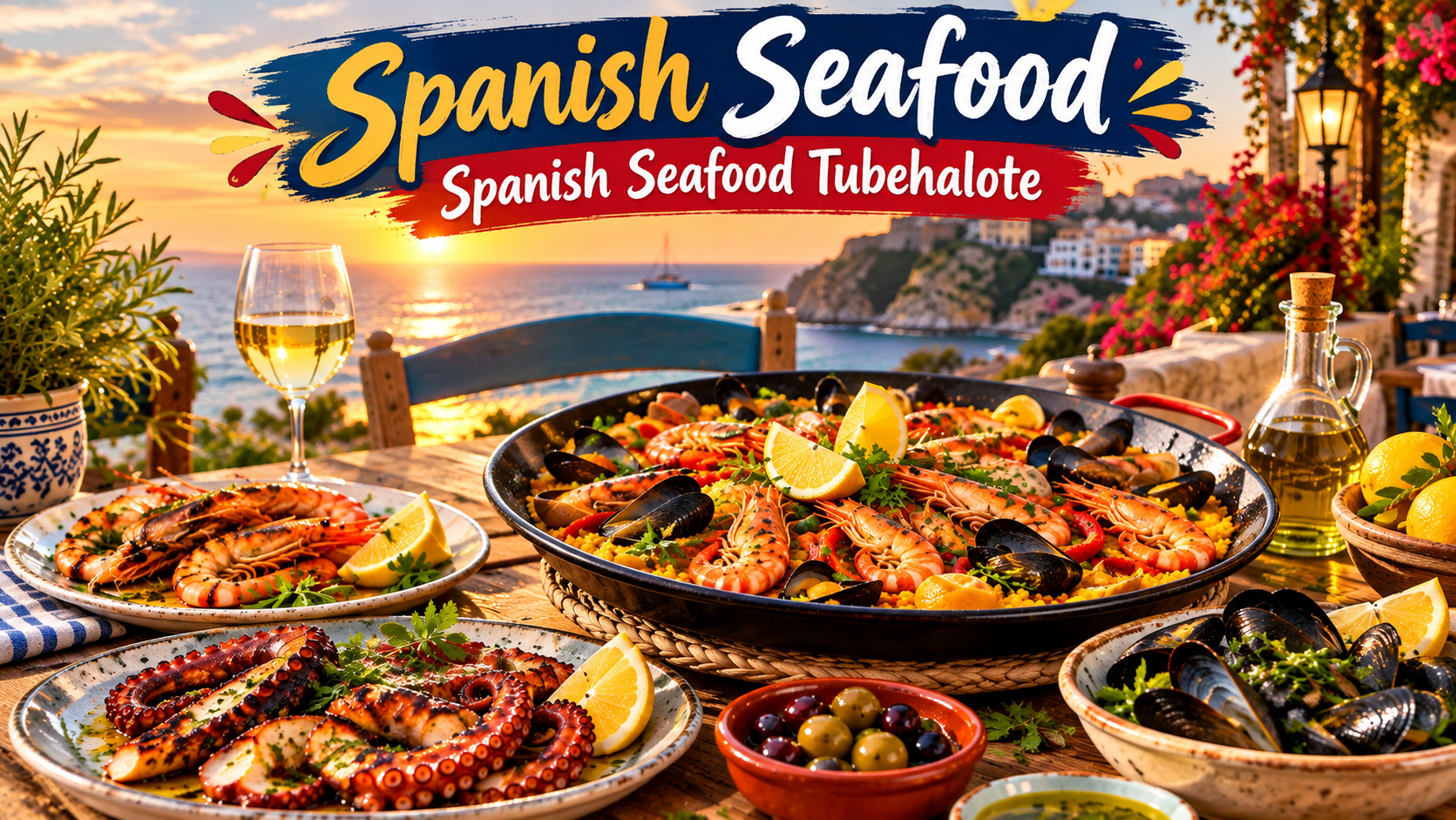
Spain is famous for its seafood. People there enjoy fresh fish, shrimp, squid, clams, mussels, and many other treasures from the sea. If you are looking for information about spanish seafood spanish seafood tubehalote, you are in the right place. This guide covers popular dishes, cooking methods, serving ideas, and useful tips for getting the best seafood experience.
Spanish seafood cooking is not complicated. Most recipes use fresh ingredients and simple steps. The goal is to let the seafood flavor stand out. That is one reason Spanish seafood has become popular around the world. Whether you are planning a trip, trying new foods, or cooking at home, learning about spanish seafood spanish seafood tubehalote can help you enjoy authentic Spanish flavors.
Why Spanish Seafood Stands Out
Spain has thousands of miles of coastline. The country sits between the Atlantic Ocean and the Mediterranean Sea. Fishermen bring fresh catches to markets every day. Because fresh seafood is easy to find, Spanish cooks focus on quality rather than heavy sauces. A little olive oil, garlic, lemon, and herbs can turn simple seafood into an amazing meal. Families, restaurants, and seaside cafes all serve spanish seafood spanish seafood tubehalote in different ways. Some recipes are centuries old. Others add modern twists while keeping traditional flavors.
The heart of spanish seafood spanish seafood tubehalote is freshness. Good seafood needs very little help to taste great.
The History of Seafood in Spain
Seafood has shaped Spanish food culture for hundreds of years. Coastal communities depended on fishing for food and income. Over time, different regions built their own spanish seafood spanish seafood tubehalote traditions. Northern Spain became known for shellfish and octopus. Southern areas developed fried seafood recipes. Eastern regions grew famous for seafood rice dishes.
Today, seafood remains an important part of daily life. Markets display fish caught that same morning. Restaurants proudly serve local specialties. This long connection with the sea is one reason Spanish seafood recipes feel authentic and full of character.
Seafood Paella: Spain’s Most Famous Dish
When people think of Spanish food, paella often comes to mind first. spanish seafood spanish seafood tubehalote paella, also called Paella de Marisco, combines rice with shrimp, mussels, squid, and other spanish seafood spanish seafood tubehalote. Saffron gives the rice its golden color and unique aroma.
The dish starts with olive oil and fresh seafood. Rice cooks slowly in flavorful broth. As the rice absorbs the liquid, it becomes rich and delicious.
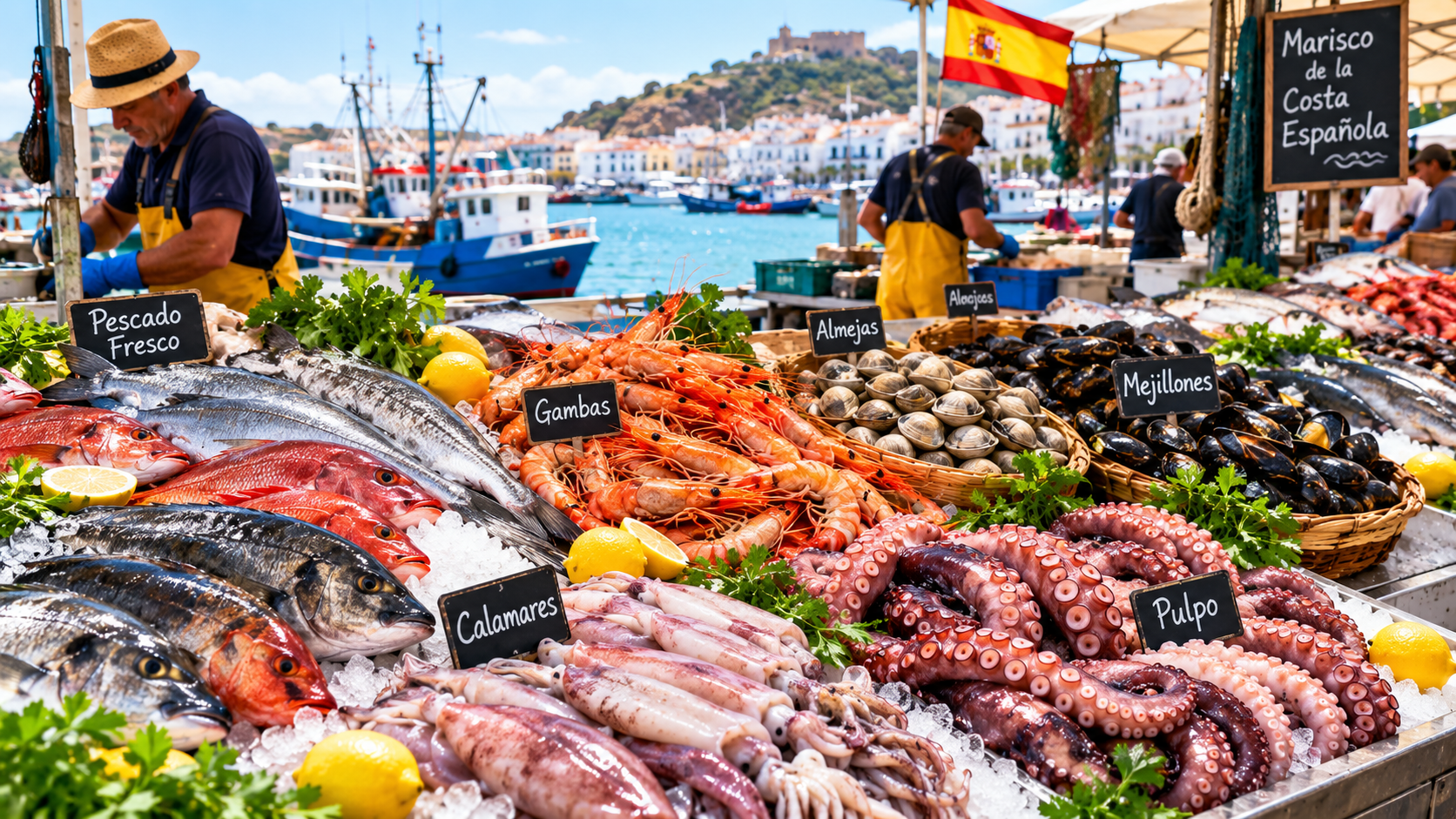
Every region makes paella a little differently. Some cooks use prawns and clams. Others add lobster or cuttlefish. A good seafood paella is colorful, fragrant, and packed with flavor.
Gambas al Ajillo: Garlic Shrimp Done Right
Gambas al Ajillo is one of the simplest seafood dishes in Spain. Large shrimp cook in hot olive oil with sliced garlic. Some recipes include chili peppers for extra heat. The shrimp cook quickly and stay juicy.
The smell alone can make people hungry spanish seafood spanish seafood tubehalote. Many restaurants serve this dish as a tapa. A tapa is a small plate meant for sharing. Crusty bread often comes alongside so people can soak up the tasty garlic oil.
For many seafood fans, garlic shrimp is a perfect example of spanish seafood spanish seafood tubehalote because it proves simple ingredients can create big flavor.
Pulpo a la Gallega: Famous Spanish Octopus
Pulpo a la Gallega comes from Galicia in northwestern Spain. The octopus is boiled until tender. After cooking, it is sliced into bite sized pieces. Cooks then sprinkle it with paprika and sea salt before finishing with olive oil.
The result is tender, slightly smoky, and very satisfying. Many visitors are surprised by how soft the octopus feels. When prepared correctly, it is not chewy at all. This classic dish has become one of Spain’s most loved seafood specialties.
Calamares Fritos: Crispy Fried Squid
Calamares Fritos means fried squid. The squid is cut into rings, coated lightly in flour, and fried until golden. Restaurants often serve it with lemon wedges.The outside stays crispy while the inside remains tender. People enjoy fried squid as a snack, appetizer, spanish seafood spanish seafood tubehalote or even a quick lunch. It is common in many coastal towns and busy city restaurants. A squeeze of fresh lemon adds brightness and balances the rich fried coating.
Mejillones al Vapor: Simple Steamed Mussels
Mussels are very popular across Spain spanish seafood spanish seafood tubehalote . Mejillones al Vapor are steamed mussels cooked with ingredients such as garlic, herbs, and white wine. The cooking process is simple, but the flavor is impressive.
The mussels release their natural juices during cooking. Those juices mix with the other ingredients to create a light broth spanish seafood spanish seafood tubehalote. Many people enjoy dipping bread into the broth after finishing the mussels. This dish feels elegant but remains easy to prepare.
Almejas a la Marinera
Almejas a la Marinera is a traditional clam dish. Fresh clams cook in a flavorful sauce made with garlic, onions, olive oil, and sometimes white wine. The sauce stays light so the clams remain the star of the meal. The dish is common in seafood restaurants along the coast. Many locals enjoy it as a starter before a larger seafood feast.
Spanish Seafood Stew
Seafood stews are another important part of Spanish cooking. These hearty dishes often include fish, shrimp, clams, mussels, and vegetables. Everything cooks slowly in a rich broth. Each region has its own version. Some stews include tomatoes. Others focus on saffron and spanish seafood spanish seafood tubehalote stock. Seafood stew works well during cooler months when people want something warm and filling. The mix of seafood flavors creates depth and complexity without making the dish difficult to enjoy.
How Spaniards Serve Seafood
In Spain, seafood is often shared with family and friends. Several dishes may arrive at the table together. Guests take small portions from each plate and enjoy a variety of flavors. Bread usually accompanies seafood meals. Lemon wedges are also common. Olive oil appears in many recipes because it enhances flavor without overpowering the spanish seafood spanish seafood tubehalote. Meals often move at a relaxed pace. People take time to enjoy both the food and the company around them.
Choosing Fresh Seafood
Fresh seafood is the key to success. Here are a few easy tips when shopping:
Check the Smell
Fresh seafood should smell clean and mild. It should remind you of the ocean. A strong fishy odor is often a warning sign.
Look at the Eyes
Whole fish should have bright and clear eyes. Cloudy eyes may indicate the fish is older.
Examine the Skin
Fresh fish should have shiny skin and firm flesh. Avoid fish that looks dry or dull.
Test Shellfish
Clams, mussels, and oysters should stay tightly closed. If they remain open when tapped, they may not be fresh.
Buy from Trusted Sellers
Good seafood markets often have better quality and better handling practices. This step can make a huge difference.
Easy Cooking Tips for Spanish Seafood
Cooking seafood does not need to be stressful.
Do Not Overcook
This is one of the most important rules. Fish, shrimp, and squid can become tough when cooked too long. Watch cooking times carefully.
Use Quality Olive Oil
Olive oil is a key part of many Spanish recipes. A good olive oil brings extra flavor without covering the seafood taste.
Keep Seasoning Simple
Too many spices can hide natural seafood flavors. Garlic, parsley, lemon, and paprika often provide everything you need.
Cook Fresh Whenever Possible
Fresh seafood usually delivers the best results. Its texture and flavor are often better than seafood stored for long periods.
Serve Immediately
Many seafood dishes taste best right after cooking. Waiting too long can affect texture and temperature.
Best Side Dishes for Spanish Seafood
A good side dish can make a seafood meal even better spanish seafood spanish seafood tubehalote.
Popular choices include:
- Crusty bread
- Roasted vegetables
- Spanish rice
- Green salads
- Grilled peppers
- Boiled potatoes
- Garlic potatoes
- Tomato salad
These sides complement seafood without stealing attention from it.
Common Mistakes to Avoid
Many people make a few simple mistakes when preparing seafood.
Using Too Much Salt
Seafood already contains natural saltiness. Taste before adding extra salt.
Cooking at the Wrong Temperature
Very high heat can dry out fish. Very low heat can make cooking uneven. Follow recipe instructions carefully.
Ignoring Freshness
Even the best recipe cannot fix poor quality seafood. Fresh ingredients matter.
Adding Heavy Sauces
Heavy sauces often cover up natural flavors. Spanish cooking usually prefers lighter touches.
Why Tourists Love Spanish Seafood
Visitors often mention seafood as one of the highlights of their trip to Spain. There are several reasons for this popularity.
First, the ingredients are fresh. Second, recipes are simple and authentic. Third, each region offers unique specialties. Tourists can enjoy seafood in luxury restaurants, local taverns, beach cafes, and family owned eateries. No matter where they go, they often discover something memorable.
That rich variety helps explain the growing interest in spanish seafood spanish seafood tubehalote among food lovers worldwide.
Bringing Spanish Seafood Flavors Home
You do not need to travel to Spain to enjoy spanish seafood spanish seafood tubehalote style seafood. Many recipes require only a few ingredients. Start with fresh seafood, olive oil, garlic, and lemon. These basics can help recreate authentic flavors in your own kitchen.
Try garlic shrimp for a quick dinner. Make steamed mussels for a special gathering. Cook seafood paella when you have friends visiting. With practice, preparing Spanish seafood becomes easier and more enjoyable.
FAQs About Spanish Seafood Tubehalote
1. What is Spanish seafood tubehalote?
Spanish seafood spanish seafood tubehalote refers to Spanish-style seafood dishes that highlight fresh ingredients, simple cooking methods, and traditional flavors. These dishes often include fish, shrimp, squid, mussels, clams, and octopus.
2. What is the most famous Spanish seafood dish?
Seafood paella is the most famous Spanish seafood dish. It combines rice, saffron, and a variety of seafood to create a flavorful and colorful meal.
3. Why is Spanish seafood so popular?
Spanish seafood spanish seafood tubehalote is popular because Spain has a long coastline and access to fresh seafood. Spanish recipes also focus on simple ingredients that let the natural seafood flavor stand out.
4. What is Gambas al Ajillo?
Gambas al Ajillo is a traditional Spanish garlic shrimp dish. Shrimp are cooked in olive oil with garlic and sometimes chili peppers for extra flavor.
5. What is Pulpo a la Gallega?
Pulpo a la Gallega is a famous octopus dish from Galicia, Spain. The octopus is boiled until tender and served with paprika, olive oil, and sea salt.
6. What seasonings are commonly used in Spanish seafood recipes?
Spanish cooks often use:
- Olive oil
- Garlic
- Lemon
- Parsley
- Paprika
- Saffron
- Sea salt
7. What side dishes go well with Spanish seafood?
Popular side dishes include crusty bread, roasted vegetables, Spanish rice, green salads, grilled peppers, and boiled potatoes.
8. Can I cook Spanish seafood at home?
Yes. Many Spanish seafood recipes are easy to prepare at home. Start with fresh seafood, olive oil, garlic, and lemon for authentic flavor.
9. What is the biggest mistake when cooking seafood?
Overcooking is the most common mistake. Seafood cooks quickly and can become tough or dry if left on the heat for too long.
10. Is Spanish seafood healthy?
Yes. Most Spanish seafood dishes are rich in protein, vitamins, and healthy fats. Many recipes also use olive oil and fresh ingredients, making them a healthy meal choice.
Final Thoughts
The world of spanish seafood spanish seafood tubehalote is full of flavor, tradition, and variety. From golden seafood paella and garlic shrimp to tender octopus and steamed mussels, Spanish cuisine offers something for every seafood lover.
The secret is not complicated. Use fresh ingredients. Keep cooking methods simple. Let the seafood shine. When you follow these ideas, you can enjoy the true taste of Spanish seafood and create memorable meals at home.