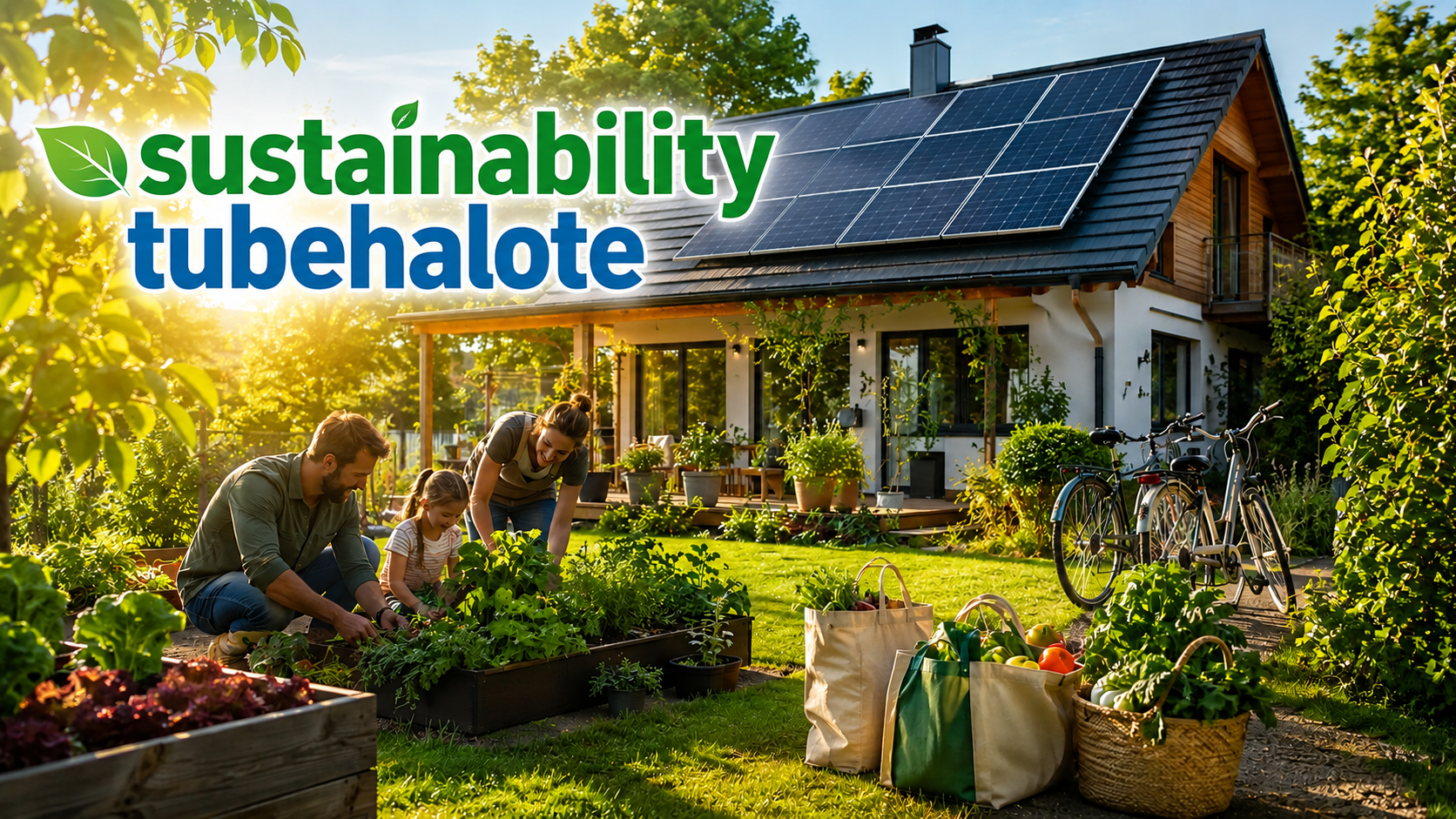
Living a greener life does not have to be hard. Many people think sustainability means big changes, expensive products, or a perfect lifestyle. That is not true. Small steps matter. Simple actions can cut waste, save money, and help the planet.
The idea of sustainability tubehalote is about making eco-friendly choices in daily life. It focuses on practical habits that fit into normal routines. You do not need to change everything at once. Start small and build from there. In this guide, you will learn simple ways to live more sustainably. These tips are easy to follow and work for most homes and families.
Sustainability Tubehalote: A Fresh Approach to Green Living
The concept of sustainability tubehalote encourages balanced living. It is not about being perfect. It is about being mindful. Every choice we make affects the environment. The food we buy, the energy we use, and the waste we create all leave an impact. When we make better choices, we reduce that impact.
A sustainable lifestyle can also improve daily life. Many eco-friendly habits save money and reduce clutter. They can make homes cleaner and healthier too. The good news is that anyone can get started today.
Why Sustainability Matters
The planet faces many environmental challenges. Waste levels keep growing. Natural resources are under pressure. Pollution affects air, water, and soil. Our daily habits play a role in these problems. The products we buy often require energy and materials to produce. Many items end up in landfills after a short time.
Sustainable living helps reduce that pressure. It encourages responsible use of resources. It also supports healthier communities and cleaner environments. Even small changes made by many people can create a big difference.
Reduce Waste at Home
One of the easiest ways to support sustainability tubehalote is to create less waste. Look around your home. You may notice many items that get used once and thrown away. These products add to landfill waste.
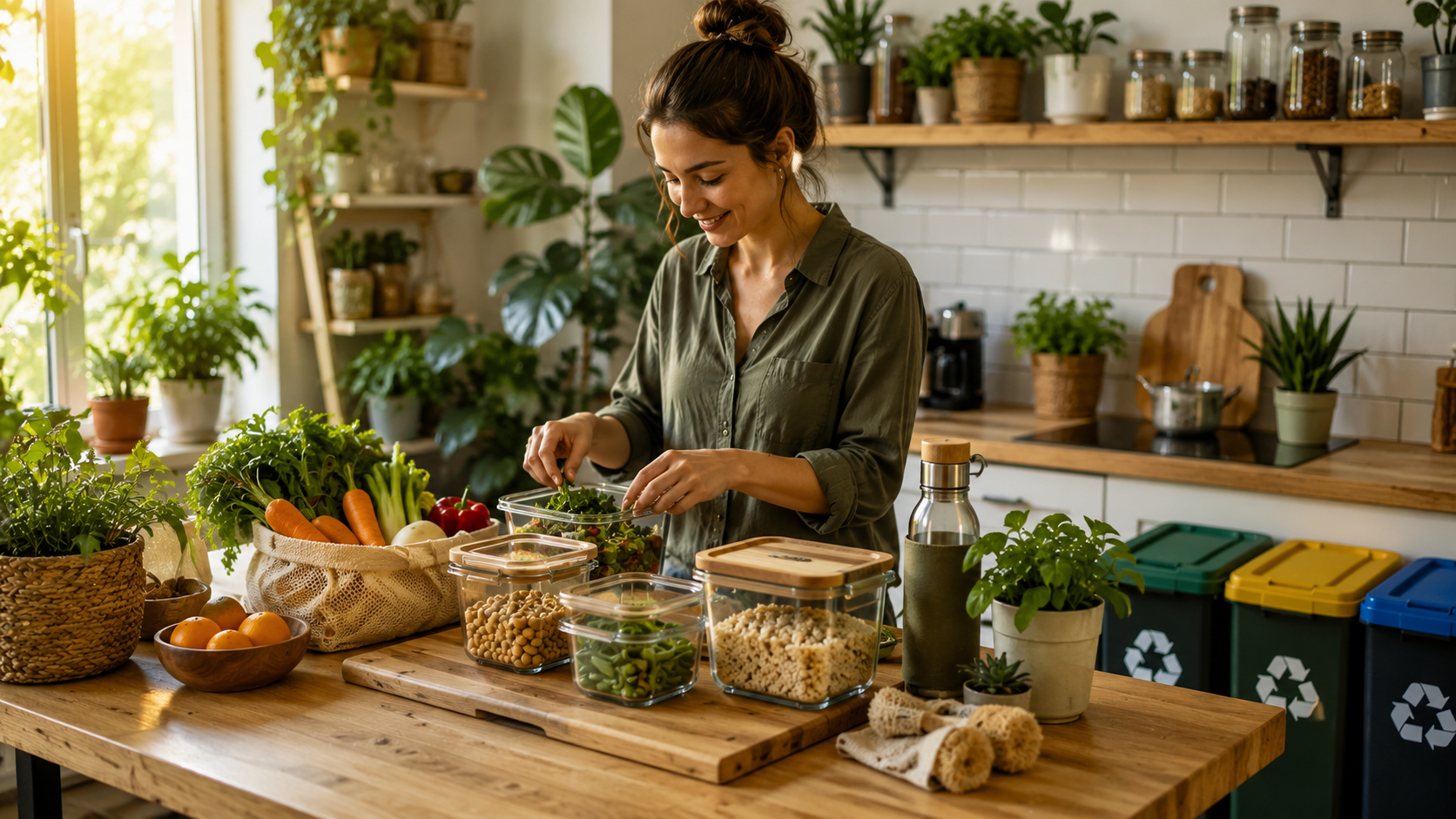
Try these simple ideas:
- Carry a reusable water bottle.
- Use cloth shopping bags.
- Store food in reusable containers.
- Avoid single-use plastic cutlery.
- Reuse jars and containers when possible.
Before throwing something away, ask yourself if it can be reused, repaired, or donated. Less waste often means less spending too.
Save Energy Every Day
Energy use affects the environment. Many homes use more electricity than needed. Saving energy is easier than most people think.
Here are some quick ways to start:
- Turn off lights when leaving a room.
- Unplug devices that are not in use.
- Use LED light bulbs.
- Open windows instead of using fans when weather allows.
- Wash clothes in cold water.
These habits take only seconds. Over time, they lower energy use and reduce utility bills. A sustainable home is often an efficient home.
Make Smarter Food Choices
Food choices play a major role in sustainable living. A lot of food gets wasted every day. At the same time, producing food requires water, land, and energy.
You can help by:
- Planning meals before shopping.
- Buying only what you need.
- Using leftovers creatively.
- Storing food properly.
- Composting food scraps.
Choosing local produce when available can also reduce transportation impacts. Another good habit is eating more plant-based meals. You do not need to become vegetarian. Even adding a few meat-free meals each week can make a difference. Small food changes add up over time.
Use Water Wisely
Clean water is valuable. Yet many households waste it without realizing. The principles of sustainability tubehalote include careful water use.
Simple ways to save water include:
- Fix leaking faucets.
- Turn off the tap while brushing your teeth.
- Take shorter showers.
- Run full loads in washing machines.
- Collect rainwater for plants if possible.
Water-saving habits are easy to build. They help both the environment and household costs.
Choose Reusable Products
Disposable products create constant waste. Reusable alternatives often last years and work just as well.
Consider switching to:
- Reusable shopping bags
- Refillable water bottles
- Cloth napkins
- Reusable coffee cups
- Durable food containers
These products may cost a little more at first. However, they often save money in the long run. Choosing reusables is one of the simplest sustainability habits.
Buy Less and Choose Better
Modern life encourages constant shopping. New products appear every day. Many of them are used only briefly. A key part of sustainability tubehalote is mindful buying.
Before making a purchase, ask yourself:
- Do I really need this?
- Will I use it often?
- Is it built to last?
- Can I borrow or rent it instead?
Buying fewer items reduces waste and saves money. When you do buy something, look for quality over quantity. Strong, durable products usually create less waste over time.
Support Eco-Friendly Brands
Many businesses now focus on sustainability. They use recycled materials, reduce waste, and improve production methods. Research brands before purchasing.
Look for companies that:
- Use sustainable materials
- Offer recyclable packaging
- Share environmental goals
- Create durable products
- Follow ethical practices
Supporting responsible brands encourages positive business changes. Consumer choices can influence the market more than many people realize.
Create a Greener Home
Your home can become more eco-friendly without major renovations. Start with small improvements.
Here are some ideas:
Let Natural Light In
Open curtains during the day. This reduces the need for artificial lighting.
Add Indoor Plants
Plants can improve the feel of a room. They also bring a touch of nature indoors.
Use Eco-Friendly Cleaners
Many cleaning products contain harsh chemicals. Natural alternatives often work well for everyday cleaning.
Repair Before Replacing
Do not throw away items too quickly. Many products can be fixed and used for years longer. These simple changes support a more sustainable household.
Travel More Sustainably
Transportation affects carbon emissions. While not everyone can change their travel habits completely, small adjustments help.
Try to:
- Walk short distances.
- Use a bicycle when possible.
- Share rides with others.
- Combine errands into one trip.
- Use public transportation when available.
Even one less car trip per week makes a positive impact. Sustainable travel does not require perfection. It simply requires better choices when possible.
Start a Simple Recycling Routine
Recycling helps reduce waste and conserve resources. Many households want to recycle but feel confused about the rules.
Keep it simple.
Learn what your local program accepts. Create separate bins for recyclable items. Rinse containers before recycling them. Remember that recycling works best alongside waste reduction. The best waste is the waste that never gets created.
Teach Sustainable Habits to Children
Children learn by watching adults. Simple eco-friendly habits can become lifelong behaviors when taught early.
You can encourage kids to:
- Turn off lights
- Recycle properly
- Avoid wasting food
- Reuse materials for crafts
- Care for plants and gardens
Make sustainability fun rather than strict. Children often enjoy helping when they understand the reason behind the activity.
Grow Your Own Food
Gardening supports the spirit of sustainability tubehalote. You do not need a large yard. Many herbs and vegetables grow well in small spaces. Balconies, patios, and windowsills can work too.
Popular beginner plants include:
- Basil
- Mint
- Lettuce
- Tomatoes
- Green onions
Home gardening can reduce packaging waste and provide fresh ingredients. It is also a relaxing hobby for many people.
Avoid Fast Fashion
Clothing production uses significant resources. Fast fashion often encourages frequent buying and quick disposal.
A more sustainable approach is to:
- Buy fewer clothes
- Choose quality pieces
- Repair damaged items
- Donate unwanted clothing
- Shop secondhand when possible
Building a practical wardrobe helps reduce waste while saving money. Fashion does not need to be disposable.
Build Sustainable Habits Slowly
One common mistake is trying to change everything overnight. That approach often leads to frustration.
Instead, focus on one habit at a time.
For example:
Week 1: Use a reusable water bottle.
Week 2: Reduce food waste.
Week 3: Replace disposable bags.
Week 4: Improve recycling habits.
Slow progress is still progress.
Small changes that last are more effective than large changes that do not.
Common Sustainability Mistakes to Avoid
Many people start with good intentions but fall into common traps.
Avoid these mistakes:
Trying to Be Perfect
No one lives sustainably all the time. Progress matters more than perfection.
Buying Too Many Green Products
Sometimes the most sustainable choice is using what you already own.
Ignoring Food Waste
Food waste creates a larger impact than many people realize.
Giving Up Too Soon
Meaningful habits take time to build. Stay patient. Consistency creates results.
The Future of Sustainability Tubehalote
Interest in eco-friendly living continues to grow. More people are becoming aware of their environmental impact. Communities, schools, and businesses are also adopting greener practices. The idea behind sustainability tubehalote fits this movement. It promotes practical actions rather than extreme changes. It encourages people to take responsibility while keeping life simple and manageable. As sustainable options become more available, living green will become even easier. The future depends on the choices people make today.
Frequently Asked Questions (FAQs)
1. What is sustainability tubehalote?
Sustainability tubehalote is an approach to eco-friendly living that focuses on simple and practical habits. It encourages people to reduce waste, save resources, and make better choices in everyday life.
2. Why is sustainability tubehalote important?
It helps protect natural resources, reduce pollution, and lower waste. It also encourages healthier lifestyles and can help families save money over time.
3. How can beginners start with sustainability tubehalote?
Start with small changes. Use a reusable water bottle, switch off unused lights, reduce plastic use, and recycle properly. Small steps are easier to maintain.
4. Does sustainable living cost a lot of money?
Not always. Many sustainable habits actually save money. Using less energy, reducing waste, and buying only what you need can lower everyday expenses.
5. How does sustainability tubehalote help the environment?
It reduces the demand for natural resources, cuts waste going to landfills, and lowers pollution. These actions help create a cleaner and healthier planet.
6. What are some easy eco-friendly habits to follow daily?
Some simple habits include:
- Carrying reusable shopping bags
- Using refillable water bottles
- Taking shorter showers
- Turning off lights when leaving a room
- Avoiding single-use plastics
7. Can sustainability tubehalote help reduce household waste?
Yes. Reusing items, recycling correctly, composting food scraps, and avoiding disposable products can greatly reduce the amount of waste your home creates.
8. Is recycling enough for sustainable living?
Recycling helps, but it is only one part of the process. Reducing waste and reusing items whenever possible are often even more effective.
9. How can families practice sustainability tubehalote together?
Families can recycle, save water, reduce food waste, grow plants, and teach children eco-friendly habits. Working together makes sustainable living easier and more enjoyable.
10. What is the biggest benefit of sustainability tubehalote?
The biggest benefit is creating a healthier future while improving daily life today. Simple eco-friendly choices can save money, reduce waste, and help protect the environment for future generations.
11. Can I follow sustainability tubehalote if I live in a small apartment?
Yes. You can save energy, reduce waste, recycle, use reusable products, and even grow small herbs on a windowsill. Sustainable living works in any size home.
12. How long does it take to build sustainable habits?
It depends on the person. Most people find success by making one small change at a time. Consistent actions are more important than making big changes quickly.
13. What products should I replace first?
Start with frequently used disposable items such as plastic bags, water bottles, paper towels, and coffee cups. Reusable alternatives can reduce waste right away.
14. Is sustainability tubehalote only about protecting the environment?
No. It also supports healthier lifestyles, smarter spending, responsible consumption, and stronger communities.
15. What is the first step toward a more sustainable lifestyle?
The first step is awareness. Look at your daily habits and identify one area where you can reduce waste, save energy, or make a greener choice. Start there and build gradually.
Final Thoughts
Sustainability tubehalote is not about perfection. It is about making thoughtful choices each day. Simple actions such as reducing waste, saving energy, using less water, and buying responsibly can make a real difference.
Start with one small change. Then add another. Over time, those actions become habits. Those habits create a more sustainable lifestyle.
When enough people make better choices, the impact grows. That is how lasting change happens. One step at a time. One choice at a time. And one greener day at a time.